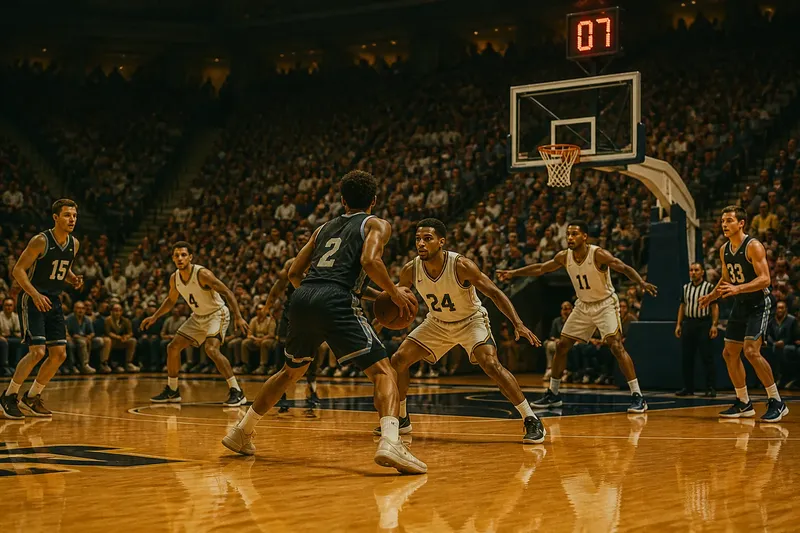
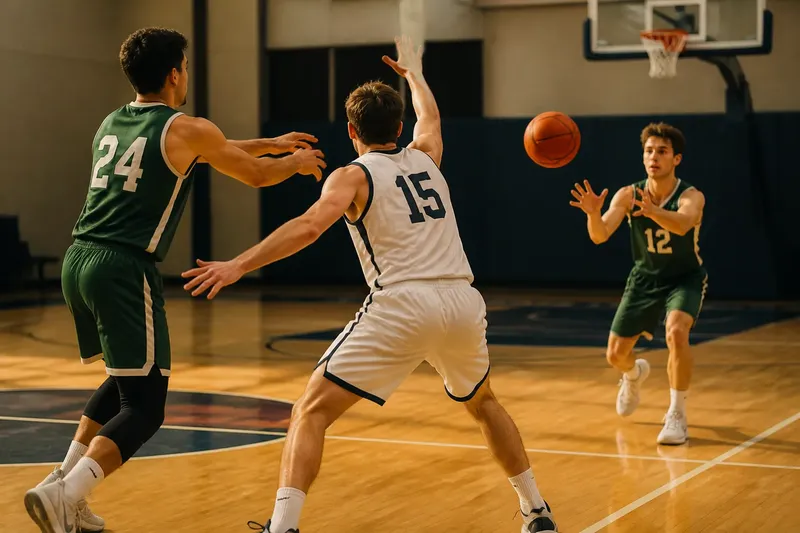
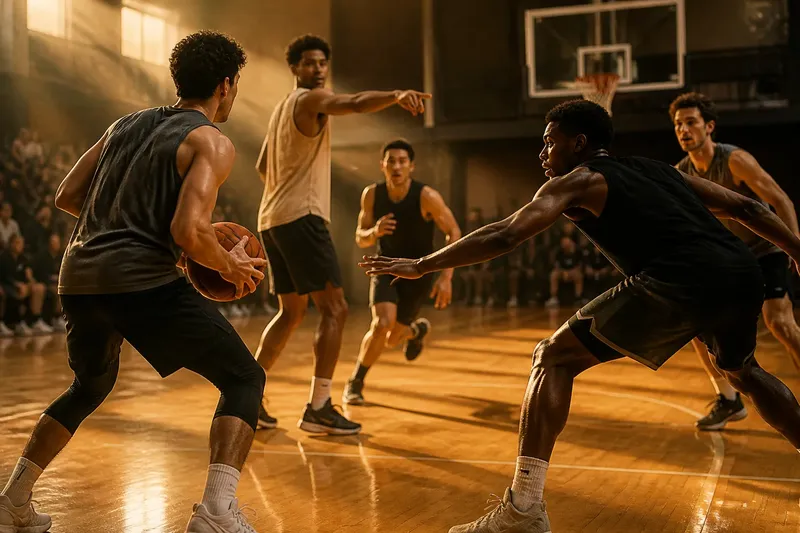
The Traveling Call Is Not a Step Count
Understand a traveling call by spotting when control begins and what the player’s feet do next, so you can follow close rulings with more clarity.
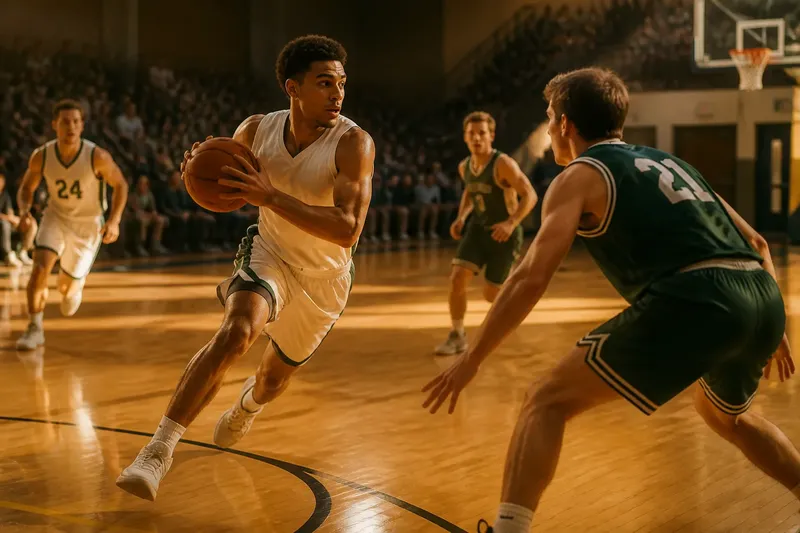
The common mistake with a traveling call is counting every visible step after a player catches the ball and calling the result a travel. That shortcut misses the gather—the moment the player gains control—and can make an ordinary legal move look like a violation. To understand the call, watch when control begins and what the player does with their feet afterward.
Traveling rules limit how a player may move while holding the ball. They do not impose one simple step total that applies to every catch, dribble, and pivot. The details depend on the action, the player’s control of the ball, and the rule set being used.
What does the gather change?
A player may be moving before the ball is fully controlled. A pass can be caught while the receiver is running; a player can also collect the ball while ending a dribble. The gather is the transition into control, not every touch of the ball. A fingertip contact or a bobble is not automatically the same as possessing it securely.
Once control is established, the rules govern how the player may stop, pivot, pass, or shoot. That is why two sequences with a similar number of footfalls can be judged differently: one player may still be completing the catch as the feet come down, while another already has the ball and then takes an extra movement.
Officials have to judge this in real time. As a viewer, identify the first clear control, then follow the feet from there. Don’t assume that the first hand-to-ball contact is the gather, or that the player’s final footfall is necessarily illegal.
Which situation are you watching?
Use the situation to decide what to watch. This guide helps you read the play, not call every close ruling from the stands; leagues can define details differently.
- A moving player catches a pass: Watch the catch and the player’s momentum together. If the player is still completing the catch as the feet come down, the applicable rules may allow movement to stop or finish a shot; if control came earlier, assess the later footwork under that rule set.
- A player picks up a dribble while moving: Find when the dribble ends and the ball is gathered. If the player stops, passes, or shoots, follow the feet through that action; if the player continues forward with the ball secured, consider whether the movement exceeds the competition’s allowance.
- A player catches the ball while standing still: Look for a pivot foot: one foot stays in contact with the floor as the other moves. If the pivot foot is lifted, check whether the player releases the ball for a pass or shot before it returns to the floor; if not, consult the rules for that competition.
- A player changes direction after catching: Follow the planted foot rather than the whole body. If the player turns around a pivot foot, that may be permitted; if the foot slides or lifts and returns while the player still holds the ball, the sequence may be traveling under the applicable rules.
- A player jumps to pass or shoot: Watch when the ball leaves the hands. If the player releases it before landing, the action may be legal; if the player still holds it upon landing, it may be a traveling violation. Check the competition’s treatment of jump stops and pivot-foot rules.
Say you see a runner receive a pass, gather it while moving, and take two more footfalls before releasing a layup. Those footfalls alone do not settle the call. If control began as the player was still completing the catch, the permitted movement may differ from a move in which the player clearly secured the ball earlier and then added a step. The point of control and the release matter more than a raw count.
Why does the rule focus on control?
Basketball lets players move with the ball only within defined limits. Without those limits, a player could secure possession and continue walking or running to gain ground without dribbling. Traveling protects the distinction between advancing by dribbling and moving with the ball held.
The rule also leaves room for ordinary basketball movement. Players need to catch passes in motion, gather the ball, and coordinate footwork for a stop or shot. A step-count slogan erases that distinction. A legal finish can include multiple visible footfalls, while a smaller movement can still be illegal if the player moves a pivot foot improperly.
That purpose helps with borderline plays, but it does not replace the written rule. An official’s call depends on the sequence and the competition’s interpretation, not on whether a move looks graceful or awkward. A stumble is not automatically a travel; a polished turn is not automatically legal.
What questions help settle a close play?
Does the first touch start the step count?
Not necessarily. A player may touch or bobble the ball before gaining control, so identify when possession becomes clear rather than starting at the first contact.
Can a player take two steps after a gather?
In many common moving-catch or shot situations, the rules allow a player to use steps to stop or complete the move. The exact allowance and how it is applied depend on the governing rules and the timing of control.
Is a jump stop always legal?
No single answer applies to every code or sequence. Watch when control is gained, how the feet land, and whether the player establishes or moves a pivot foot while still holding the ball.
Can a player lift the pivot foot?
Rules differ in their wording and application, so check the competition’s rulebook for the exact pivot-foot restriction. In many common interpretations, a player may lift a pivot foot to pass or shoot but must release the ball before that foot returns to the floor.
How should you read a call from the stands?
On a live play, track three things in order: control, feet, and release. First, ask when the ball became secure. Next, note whether the player was moving or set, and which foot served as the pivot if there was one. Finally, check whether the player passed or shot before an otherwise restricted foot returned to the floor.
If the action is too quick to see, wait for a replay rather than arguing from the number of steps. A useful replay starts just before the catch or dribble pickup; a crop that begins after the gather can hide the detail that explains the call. Slow motion can clarify foot placement, but the sequence still has to be understood under that competition’s rules.
It is not worth the effort to assign every footfall a number while the play is unfolding. That habit can make you miss the catch, the pivot, or the release—the parts that give the steps their meaning. Watch the whole movement once, then review the control point if the call remains unclear.
When do rule differences matter?
Traveling interpretations can differ across professional, college, school, and international competitions. Terms such as gather and the treatment of a moving player’s steps may be applied with different wording or emphasis. If you are following a particular league, use its rulebook or official explanations rather than borrowing a familiar call from another level.
For everyday viewing, focus on the sequence: when the player controls the ball, how the feet move, and when the player releases it. The same number of steps can lead to different rulings because the movement began at a different point or falls under a different rule set.
When you disagree with a call, describe the moment that matters: “The ball looked controlled before the pivot foot moved,” or “The shot seemed to leave before the player landed.” That is clearer than “too many steps” and gives everyone a concrete play to examine.